Dr. Matiasevich Jr., DDS

Bringing Smiles to Santa Cruz
for over 30 years

Category Archives: General Health

Stick out your tongue

Stick out your tongue.

How does it look?  Pretty and pink?  Yellow, milky white and coated?  Your mouth is teeming with bacteria that determine whether your teeth fall out or remain pearly white.

600 different species of bacteria in your mouth

Did you know that every drop of saliva contains millions of bacteria and your tongue is like a sponge hanging on to them? Most bacteria live symbiotically in your mouth producing enzymes to break down carbohydrates that aid in digestion and metabolism.  Your mouth is a veritable hot-house for bacterial breeding.  Just think, it’s warm, wet and cozy with an unlimited supply of food and shelter.  That’s great for good bacteria, however it keeps the bad kinds breeding just the same.  Certain bacterium get overgrown when not managed regularly which cover the tongue like a coat.

The truth about the coat

The coating on your tongue can not only look yucky, but it can make you sick.  The bacteria on your tongue contribute to tooth decay, bad breath, and gum disease.

Keep the count down

To keep the bacteria at bay, it is important to pay special attention to the strongest muscle in your body.  Make sure not to forget your tongue when brushing.  At many drugstores you can purchase a tongue scraper that will aid in removing some of that build up, however, a kitchen spoon works just as well.   Some patients say they gag too much to even attempt cleaning the tongue, for that Wikihow offers some tips:  http://www.wikihow.com/Avoid-Gagging-While-Brushing-Your-Tongue.


Oral B Tongue Cleaner


Here are some gadgets that some patients find helpful.

To your health,

Dr. Bob

Guess who’s green?

Your favorite dentist has gone green

 We did it!   We have been certified by the  Monterey Bay Area  Green Business Program!

What does that mean for you?

To be certified “green,” means we are  in compliance with regulatory agencies and meet program criteria for conserving resources, preventing pollution and minimizing waste.  This includes :

  • Digital X-rays
  • Recycling
  • Energy saving light bulbs
  • Double sided copies
  • Paperless charting
  • Email instead of paper mail
  • An amalgam separator that keeps removed amalgam out of the water sources
  • Recycled paper products
  • Green products

A special thanks to Anna!!

One of our goals this year was to become certified as a “green business.”  This was a big undertaking that our dedicated hygienist, Anna, took the reigns on.  She spent numerous hours researching new products  and implementing procedures so that we could get the grade.  We are very thankful to her for all her hard work.  Do us a favor and give her a high-five at your next visit!

To your health and the planet,

Dr. Bob

Are you a mad snacker?

Are you a mad snacker?   Because I am.  Nothing makes my late afternoon days fly by like a little pick-me-up from the Chocolate Fairy.   Some people reach for an apple, maybe some nuts.  Some like the salty, some like the sweet.  I’ll take the sweet and I am not afraid to admit it.  For me it’s  a tie between the Hot Tamales and the See’s Candy.   It’s no secret that between meal snacks and beverages high in sugar and starch can promote tooth decay.  Yet, as a self admitted mad snacker I cannot condemn my fellow cohorts.  As a dentist, I feel a bit compelled to let you in on my secret.   Xylitol gum.

Not only does it have fewer calories and less effect on blood sugar than sucrose, but xylitol gum has the added benefit of inhibiting the creation of acid in the mouth. Products sweetened with xylitol create an unwelcome environment for bacteria; they simply cannot stick to teeth in a xylitol-rich environment.  This minimizes the damage done to your teeth, as well as allowing your teeth to heal at a faster rate. It allows the teeth to re-mineralize the calcium ions in enamel before dental caries form.

So what’s that all mean?  Chew a piece of xylitol gum after every meal or snack for maximum benefit to your teeth as it may reduce the risk of tooth decay and snack on!


I like the Spearmint Spry, but it comes in other flavors like cinnamon, peppermint, fruit and even green tea.  New Leaf, Staff of Life and Whole Foods all have a version of it, so pick up a pack next time you are in.  They are also putting xylitol in some Tridents now!

If only they could make it taste like chocolate…

To your health,

Dr. Bob

It’s not “just a cleaning”

So you have been a patient here for years, or maybe you are a new member of the family, either way, do you know really what happens at your teeth cleaning?

If you’re like most people,  the only thing you hear is “cavity” or no cavity.  However, so much more than just the evaluation of tooth decay is going on during those cleanings.  Besides polishing of the tooth’s surface, here’s what’s really going on while your mouth is open…

A review of medical health history

Gums and oral tissues can be greatly affected by changes in your medications or health and  can cause pocketing, dry mouth, or tooth and bone loss.

Blood pressure screening

High blood pressure has been labeled “the silent killer.”  People with elevated blood pressure often don’t know until they have suffered a heart attack or stroke.  Your health and safety is of the utmost importance to us.

American Cancer Society Oral Cancer Exam, Soft Tissue and Hard tissue Exam

Who looks in your mouth more than us?  Regular cancer screenings check for abnormalities or changes in cheeks, gums, tongue, tonsil, and lining of the mouth.  Early detection is the key.  In the United States 3 people are diagnosed with oral cancer every hour, that’s 30,000 Americans every year.

Periodontal exam

Periodontal disease is the #1 leading cause of tooth loss in Americans.  Periodontal disease is an infection of gum tissues.  We take measurements of 6 sites around the teeth to determine the health of the gum tissue and severity of infection.  Early treatment can not only prevent tooth and bone loss, but also save money (and teeth!) in the long run.

TMJ exam

Some say that 20% of the population if affected Tempromandibular Disorder (TMD) which affects the tempromandibular joint.  Early detection can help alleviate major jaw issues in the future including muscle stiffness, locking of the jaw, and changes in the way your teeth fit together.

Occlusal exam

Occlusion is the manner in which the upper and lower teeth come together when the mouth is closed.  Often referred to at the “bite.”  This is super important for not only chewing, but the health of the jaw joint.    A healthy bite means a healthy jaw.

It’s not “just a cleaning”

Every time you open your mouth here at out office rest assured we are looking out for you even when you aren’t entirely aware of it.  Early detection of of high blood pressure can prevent a heart attack.  Early detection of a cavity can prevent a crown.  Early detection of periodontal disease can prevent tooth loss and cardiovascular disease.  Coming to your regularly scheduled cleanings and exams can  spare you unnecessary pain, tooth loss and money with early detection.  Do something good for you, let us keep you healthy.

To your health,

Dr. Bob

Summer Newsletter

Hi Everyone!!

Hope this finds you enjoying the sunshine to the fullest.  It’s newsletter time and that means NEW QUARTERLY DRAWINGS!!!

Click the link below to read up on the most recent winner as well as what YOU can win this quarter!!

To your health,

Dr. Bob

http://www.santacruzdentist.com/newsletters/summer-2011-newsletter-2/

The Wisdom in Teeth

What are wisdom teeth?

Wisdom teeth are the third set of molars that generally erupt between ages 17-25, when children pass into early adulthood.   This time period has previously been referred to as “the age of wisdom.”   Subsequently, the third molars have been dubbed wisdom teeth.  Most people have 4, but it is possible to have more as well as none.

Can I keep my wisdom teeth?

Some individuals don’t need to have their wisdom teeth removed.  There are a few factors that influence this:

  • Jaw and mouth size
  • The ability of the teeth to fully erupt
  • The angle in which they are erupting

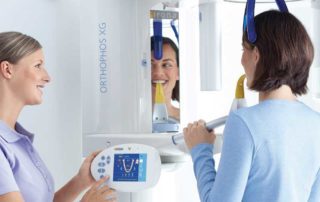
Sometimes, a patient has room enough to keep 1, 2, or four of the teeth.  A panoramic x-ray will allow the dentist to see if there is room enough for you to keep some or all of them.

Third molars need to be extracted when the mouth and jaw are too small to accommodate the teeth,  or they are unable to fully erupt.  These situations can cause discomfort, swelling and sometimes even cysts.

Where do wisdom teeth come from?

Wisdom teeth were originally designed to take the place of lost or damaged teeth that resulted from a primitive diet of coarse food that contained sand and grit.   Now days, processed diets protect teeth, meaning less are lost and damaged.   There is usually not enough room for the teeth to come all the way in.

Will I need to be put to sleep?

Some patients prefer to be sedated while others are just fine with a local anesthetic such as Novocaine.  Either way extractions can be done right here in our office where you already know the staff and dentist.  Most patients do fine to head back to work or school the next day, but if you want to take an extra day off, we won’t tell.

So if you have been putting off the removal of your third molars, there is nothing to fear!   Dentistry has come a long way from the covered wagon and whiskey days of our parents!  We have a variety of solutions for patients apprehensive about extractions and the skill to make your experience the most comfortable  possible.

To your health,

Dr. Bob

“Mission Possible”

The Matiasevich Team with trainers Pat and Roz

“Excellence is the unlimited ability to improve the quality of what you have to offer.”
–Rick Pitino Coach for the Louisville Cardinals

We believe we are only as good as what we can do for our patients and what services we offer.   It is important for us to be able to offer our patients a variety of solutions for every dental situation.  Our mission is to keep you with your teeth for a lifetime. And it is one we have accepted whole heartedly.

Mission Possible Training

Last month we were fortunate enough to have onsite training with 2 fantastic women who specialize in non-surgical periodontal therapies that can save teeth and bone! We learned the ins and outs of Periodontal Disease, as well as new techniques of infection control. There was not only classroom training, but lucky us, chair-side too!  With three days of intensive instruction, we are pumped and ready to bring you the best treatment available!

#1 cause of tooth loss

Periodontal Disease is the number-one cause of tooth loss. “According to the 1996 American Dental Association/Colgate survey, U.S. dentists say gum disease is a more pressing oral health concern than tooth decay by a 2-to-1 margin.”  Research has shown, and experts agree, that there is an association between Periodontal Disease and other chronic inflammatory conditions, as well as diabetes, cardiovascular disease, and Alzheimer’s disease. Health doesn’t stop at your mouth. We understand that there is a person attached to your teeth and we want the very best for your health.

It’s not your fault

Here are just some of the factors that contribute to Periodontal Disease:

  • Nutrition
  • Sleep
  • Stress
  • OTC Drugs
  • Genetics
  • Age
  • Gender
  • Hormones
  • Smoking
  • Disease
  • Dry Mouth
  • Grinding

The list goes on and on.  No wonder brushing and flossing alone can’t combat the bacteria!  It’s not your fault.  Bacteria are excellent breeders and can reproduce at an exponential rate when conditions are right.  Excessive bacteria causes infection in the gums.

Imagine a 3″ wound on your arm that is not only tender to the touch, but bleeds and oozes puss. It is constantly irritating and just won’t heal.  It could give you a fever.  It could make you feel run down and affect your blood pressure. That is what an infection in your mouth can be like.  Left undisturbed, the infection will lead to not only bone loss, but also tooth loss.

We can help

Never fear, the Matiasevich Team is here!  We can get that health deteriorating infection under control with amazing new techniques.  It is possible.  Active infection will be a thing of the past.  A future of healthy pink gums  and strong teeth are waiting for you.  Your mission, and we hope you accept it, is to let us take care of you.  This is what we do.  And we love it.

To your health,

Dr. Bob

What’s that smell?

Chronic bad breath is not normal

Did you just pop a breath mint?  Are you a person who constantly has a stock pile of gum and mouth rinse, but find that they don’t really work?  Most mouth rinses and mints are designed as a cosmetic fix and might help if its is something you ate, however, chronic bad breath can be the sign of something more complex than what you had for lunch.

Obviously, certain foods such as garlic and onions can make ones breath a bit questionable.  After eating, these foods are absorbed in the blood stream and transfered to the lungs.  Exhalation allows the residual smell to escape the body.   Brushing, flossing and mouth rinse will serve as a cosmetic fix, but the smell will last until those onions make it all the way through the digestive tract.

I didn’t eat anything smelly

Another cause of bad breath can be xerostomia, or dry mouth.  Lack of moisture in the mouth causes bacteria and food that would normally be sent down your throat with excess saliva to build up and smell bad.  Dry mouth can be caused by numerous medications, salivary gland problems and mouth breathing.  Often times,  a prescription for artificial saliva can help with these conditions.

Lack of brushing and flossing can lead to excess food and bacteria building up in the gum tissues.  The food collects around the teeth and rots releasing an unpleasant odor.  This can lead to Periodontal Disease.  Deep pockets, left uncleaned, come complete with a supply of rotting food for bacteria to proliferate.  Uncontrolled Periodontal Disease can lead to bone and tooth loss.

Bad breath can also be a sign of other health concerns including respiratory infection, diabetes, gastrointestinal disorder or kidney ailment.  In this case a referral to a medical doctor for additional treatment might be necessary.

What can I do?

Keys to great smelling breath include regular visits to your dentist.  Regular cleanings will keep your mouth cleaned up and can head-off potential problems.    In-between visits, make sure to brush your teeth and tongue.  Floss regularly and if you sense your breath might be less than par, don’t hesitate to schedule a quick visit at the office.   For those of you with dentures, make sure to remove them at night and clean them thoroughly.  Remember, a visit here could put those mints to rest.

To your health,

Dr. Bob

“Stop snoring. Sleep better.”

Does your loved one snore?  Is it one of those all-nite-long snores, the kind that keeps you from getting a good night’s rest?  Well you are not alone.  It is estimated that six out of 10 people snore.  That means that 59% of the population is snoring and even more people are affected by a snoring partner.

Few people realized the severity of snoring.  It can be debilitating to your every day life.  It can cause gasping, chronic fatigue, morning headaches, even poor memory and mental performance.  This happens because people who snore take in less oxygen.

In more severe cases snoring can lead to :

  • High blood pressure
  • Stroke
  • Daytime fatigue
  • Dementia
  • Diabetes
  • Cardiovascular disorders
  • Memory problems
  • Depression

In most cases the tongue falls to the back of the mouth and blocks the airway as the person sleeps.  This leads to snoring.  Now there are products available to stop this and get you and your loved one back to sleep.  Anti-snoring devices are simple and non-invasive.  We can get you set up with one here in our office.

If you are tired of being kept up all night by your partner’s snoring, or you are just down right tired because you snore yourself, give us  a call.  I would love to get you back to feeling well rested and more ready for what life can offer.  No one should suffer from snoring.  Sleep well.

To your health,

Dr. Bob

Dangerous Denture Cream

Denture cream.  A phrase many people don’t even like to say, let alone admit they use.  However, if you are one of the millions of people using denture creams, you’re already aware they taste bad, smell bad and are generally messy.  I have never had a patient tell me they like to use denture cream.  Those reasons alone are more than enough for many patients to say “I’ve had it!” and to get their dental implant treatment done using my unique methods of dentistry.

Now, you can add one more reason to say goodbye to denture cream and gain secure, comfortable, beautiful teeth that help preserve your facial bone using dental implants.

Toxic denture cream…..

A recent scientific report in a medical journal (Neurology June 2008) found several patients in which zinc poisoning was a result of their denture cream.  Neurology is the study of the body’s electrical system (the nervous system).  While it’s technically pretty complicated and there is more research to be done on this topic.

As these patients found, even minor changes in the amount of electrical particles (ions) that operate the human electrical system can have disastrous results.

What were the symptoms?

Some of the symptoms in the studied patients wearing denture cream included:

  • Numbness and weakness in the arms and legs resulting in wheelchair dependence.
  • Urinary tract infection (bladder infection)
  • Mental cognitive decline
  • Hand weakness and numbness
  • Poor balance
  • Progressive numbness
  • Loss of sense of vibration
  • Poor muscular coordination

It should be noted these were patients in their 40’s and not long- term adhesive wearers!

If you’ve been putting off getting rid of the denture cream, this truly is one of the most profound reasons to find a way to make your implants happen.  If you have questions or want solutions to this messy problem don’t hesitate to call the office and set up a consultation.

I’d love to be the first person to shake your hand (or even give you a hug!) when we finish your care.

To your health,

Dr. Bob